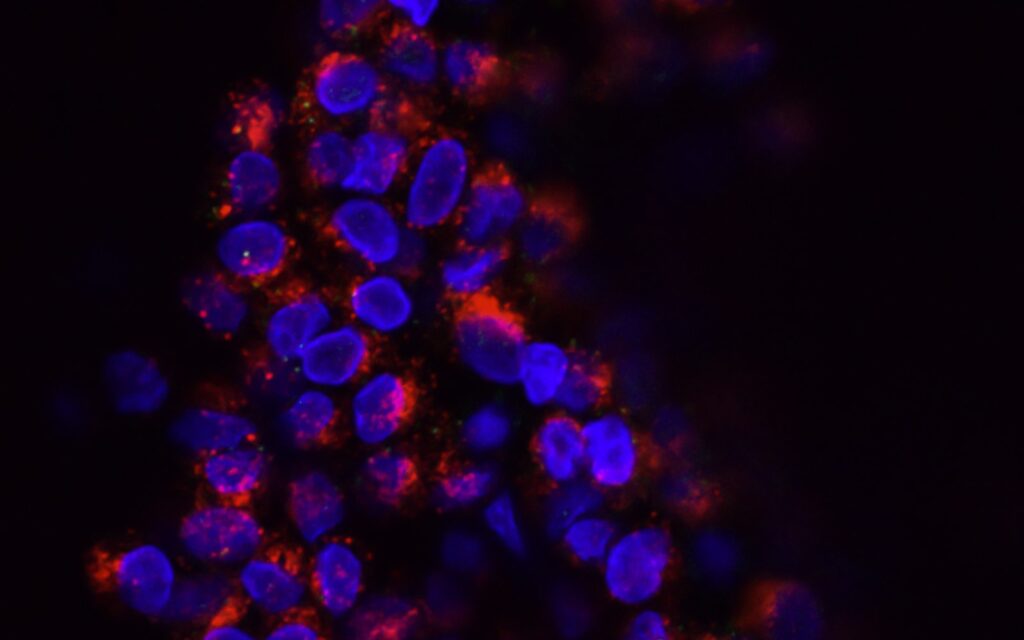
Camizestrant (Etcamah), an oral estrogen receptor antagonist, received FDA accelerated approval on September 4, 2026, in combination with a cyclin-dependent kinase 4 and 6 (CDK4/6) inhibitor for adults with hormone receptor (HR)-positive, human epidermal growth factor receptor 2 (HER2)-negative locally advanced or metastatic breast cancer when an estrogen receptor 1 (ESR1) mutation emerges during first-line therapy, based on the phase 3 SERENA-6 trial published in The New England Journal of Medicine. In the randomized, double-blind trial, 315 patients with newly detected ESR1 mutations and no radiologic progression were assigned to switch from an aromatase inhibitor to camizestrant or remain on the aromatase inhibitor, with median progression-free survival of 16.0 versus 9.2 months.
SERENA-6 tested whether resistance could be intercepted before imaging progression
SERENA-6 used serial circulating tumor DNA (ctDNA) testing to look for ESR1 mutations while patients were still responding clinically to first-line endocrine therapy. A total of 3,256 patients with estrogen receptor-positive, HER2-negative advanced breast cancer were tested every two to three months while receiving an aromatase inhibitor plus a CDK4/6 inhibitor. To enter the randomized portion, patients had to have received that combination for at least six months, developed a detectable ESR1 mutation, and still have no evidence of disease progression on imaging.
Among 315 eligible patients, 157 were assigned to switch the aromatase inhibitor to camizestrant at 75 mg once daily while continuing the same CDK4/6 inhibitor, and 158 continued the aromatase inhibitor with the CDK4/6 inhibitor. The primary endpoint was investigator-assessed progression-free survival under RECIST version 1.1. This design asked a specific clinical question: whether changing endocrine therapy at the first molecular sign of resistance could delay the radiographic progression that would otherwise trigger a treatment change.
Switching to camizestrant extended progression-free survival by 6.8 months
At a median follow-up of 12.6 months, median progression-free survival was 16.0 months with camizestrant and 9.2 months with continued aromatase inhibitor therapy. The hazard ratio for progression or death was 0.44 (95% confidence interval, 0.31 to 0.60; P<0.00001), corresponding to a 56% lower hazard during follow-up.
The trial also measured patient-reported global health status and quality of life. Median time to deterioration was 21.0 months with camizestrant and 6.4 months with the aromatase inhibitor, with a hazard ratio of 0.54. Overall survival was not mature when the primary progression-free survival analysis was performed. FDA granted accelerated approval because progression-free survival measured from ESR1 mutation detection is an intermediate endpoint and the clinical benefit of switching at molecular progression rather than waiting for radiographic progression remains unconfirmed.
The approval changes when treatment can be switched
The FDA authorized camizestrant for use when an ESR1 mutation is detected during aromatase inhibitor plus CDK4/6 inhibitor therapy, before standard imaging shows progression. The agency also approved Guardant360 CDx as the companion diagnostic used to identify eligible patients from blood. FDA described this as the first cancer therapy approval guided by a resistance mutation detected in ctDNA before radiographic progression.
The decision also fits a broader move toward molecularly guided oncology. Recent examples include RAS-targeted therapy for metastatic pancreatic cancer, NPM1-mutated acute myeloid leukemia, and personalized mRNA vaccination in melanoma. Camizestrant adds a different kind of precision strategy: treatment changes are triggered by an acquired resistance signal that appears during therapy rather than by a biomarker measured only at diagnosis.
Camizestrant targets the estrogen receptor after ESR1 resistance emerges
Camizestrant is a next-generation selective estrogen receptor degrader and complete estrogen receptor antagonist. ESR1 mutations are a major mechanism of acquired resistance to aromatase inhibitors in advanced breast cancer, which is why SERENA-6 replaced the aromatase inhibitor while leaving the CDK4/6 inhibitor unchanged. The FDA-approved regimen keeps the CDK4/6 inhibitor at the same dose used when the mutation was detected.
The recommended camizestrant dose is 75 mg orally once daily, with or without food, until disease progression or unacceptable toxicity. It must be given with abemaciclib, palbociclib, or ribociclib rather than as monotherapy for this indication.
The label requires attention to rhythm-related risk
The prescribing information carries a boxed warning for arrhythmia related to QTc interval prolongation when camizestrant is used with drugs that also prolong QTc. The label also warns about bradycardia and embryo-fetal toxicity. Because the regimen includes a CDK4/6 inhibitor, clinicians must also account for the established safety profile and monitoring requirements of the specific partner drug.
In SERENA-6, treatment discontinuation because of adverse events occurred in 1.3% of patients assigned to camizestrant and 1.9% of those who continued an aromatase inhibitor. Those low discontinuation rates are reassuring for treatment persistence, but they do not remove the need for rhythm monitoring and medication review under the approved label.
What the evidence cannot yet answer
The approval is accelerated and rests on progression-free survival measured from the point when the ESR1 mutation was detected. At the time of the primary analysis, overall survival data were immature. The FDA has therefore required confirmatory evidence to determine whether intervening at molecular progression, rather than waiting for radiographic progression, produces a clinically meaningful long-term benefit.
The trial also enrolled a narrow population. Participants were already receiving first-line aromatase inhibitor plus CDK4/6 therapy, had stayed on that regimen for at least six months, had no radiologic progression, and then developed an ESR1 mutation. The results do not establish the same benefit for patients with ESR1 mutations present before treatment, for patients whose cancer has already progressed on imaging, or for endocrine therapy settings outside the SERENA-6 design.
SERENA-6 was funded by AstraZeneca, which manufactures camizestrant. The randomized, double-blind design reduces many sources of bias, but the sponsorship remains relevant context when interpreting the evidence and subsequent commercial claims.
The regulatory path was contested. On April 30, 2026, the FDA’s Oncologic Drugs Advisory Committee voted 6 to 3 that SERENA-6 had not demonstrated a clinically meaningful benefit for the proposed early-switch strategy. Members who voted no emphasized the absence of a demonstrated overall-survival benefit and that the trial did not directly establish whether switching treatment at ctDNA-detected molecular progression is better than waiting for standard clinical or radiographic progression. The advisory vote was nonbinding, and FDA ultimately granted accelerated approval while requiring confirmatory evidence of clinical benefit.
Accelerated approval leaves the long-term clinical benefit to be confirmed
Camizestrant enters practice as part of a testing-and-switch strategy: detect an ESR1 resistance mutation in blood, replace the aromatase inhibitor before imaging progression, and continue the CDK4/6 inhibitor. SERENA-6 showed a substantial progression-free survival advantage for that approach, and the FDA has now made it available while longer-term benefit is still being verified.
That distinction matters. As Angelo de Claro, M.D., director of the FDA’s Oncology Center of Excellence, said in the agency’s announcement, “additional evidence is needed to confirm clinical benefit.”
References
- Bidard FC, Mayer EL, Park YH, et al. First-Line Camizestrant for Emerging ESR1-Mutated Advanced Breast Cancer. New England Journal of Medicine. 2025;393:569-580. DOI: 10.1056/NEJMoa2502929.
- U.S. Food and Drug Administration. FDA grants accelerated approval to camizestrant with a CDK4/6 inhibitor for ESR1-mutated HR-positive, HER2-negative locally advanced or metastatic breast cancer. September 4, 2026. FDA approval notice.