
Visceral vs subcutaneous fat: why fat location matters for metabolic health
Visceral fat, which surrounds organs deep in the abdomen, was more strongly associated with type 2 diabetes risk than body mass index (BMI) in a study of 36,831 UK Biobank participants published July 15, 2026, in the International Journal of Obesity. A second study, published online July 26 in Adipocyte, compared visceral and subcutaneous fat […]

Physical decline may begin a decade before cardiovascular disease
Oct 23, 2026
Cancer-promoting protein helps engineered T cells fight tumors in mice
Oct 22, 2026
GLP-1 users report more nail detachment and discoloration in new study
Oct 20, 2026
Can ctDNA testing detect colorectal cancer recurrence before scans?
Oct 19, 2026 Cancer & Oncology
Can ctDNA testing detect colorectal cancer recurrence before scans?
Circulating tumor DNA (ctDNA) testing can identify molecular signs of colorectal cancer recurrence after surgery, but a randomized phase 3 trial published in Nature Medicine in June 2026 found that treating patients solely because their blood test became positive did not significantly improve disease-free survival. In the ALTAIR trial, 243 patients with detectable tumor DNA […]
Read the Full Bite → Cell & Molecular Biology
How axon diameter controls myelin sheath length: the role of Piezo1
A PLOS Biology study found that oligodendrocytes use the mechanosensitive channel Piezo1 to match myelin sheath length to axon diameter.
Read the Full Bite → Cardiovascular Health
Low-dose glucocorticoids with flow diverter therapy linked to fewer cerebrovascular events in unruptured aneurysms
A prospective multicenter cohort found that short-term low-dose glucocorticoids around flow-diverter treatment were associated with fewer major cerebrovascular events and less in-stent stenosis.
Read the Full Bite → Cancer & Oncology
Proliferative pause helps cancer cells survive in the brain
A Cancer Cell study found that brain-seeding cancer cells enter an MXD4-dependent proliferative pause that helps them survive early colonization and may expose a new therapeutic vulnerability.
Read the Full Bite → Cardiovascular Health
Whole grains and heart health: how many servings do you need?
A European Heart Journal meta-analysis of 87 randomized trials found that higher whole-grain intake modestly improved LDL cholesterol, fasting glucose, blood pressure and other cardiometabolic risk factors.
Read the Full Bite → Cancer & Oncology
Personalized neoantigen vaccine for ovarian cancer: what the phase 1 trial found
A Nature Medicine phase 1 trial found that a personalized neoantigen vaccine generated tumor-specific immune responses in ovarian cancer, with biomarker evidence of biologic activity in 6 of 10 vaccinated patients.
Read the Full Bite → Clinical Research & Trials
Two-year trial: diet drinks work as well as water for weight loss
A two-year randomized trial found that diet drinks and water produced equivalent long-term weight-loss outcomes during a behavioral weight-management program.
Read the Full Bite → Pharmacology
GLP-1 drugs, explained: how they work, what they treat, and what’s next
GLP-1 drugs now treat far more than diabetes and weight. A clear guide to how they work, which are approved, how well they work, and what is coming next.
Read the Full Bite → FDA Approved
FDA approves Rasonque (daraxonrasib), first RAS-targeted therapy for metastatic pancreatic cancer
Daraxonrasib nearly doubled median overall survival versus chemotherapy in a phase 3 trial of previously treated metastatic pancreatic cancer.
Read the Full Bite →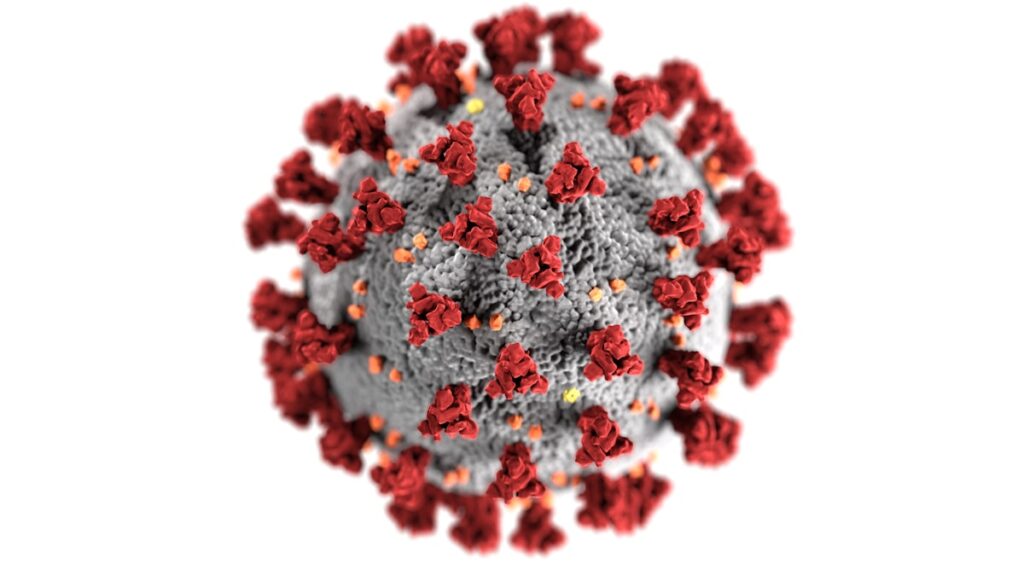 Vaccines & Immunization
How mRNA went from lab curiosity to household word
The technology behind COVID vaccines is now aimed at cancer and more.
Read the Full Bite →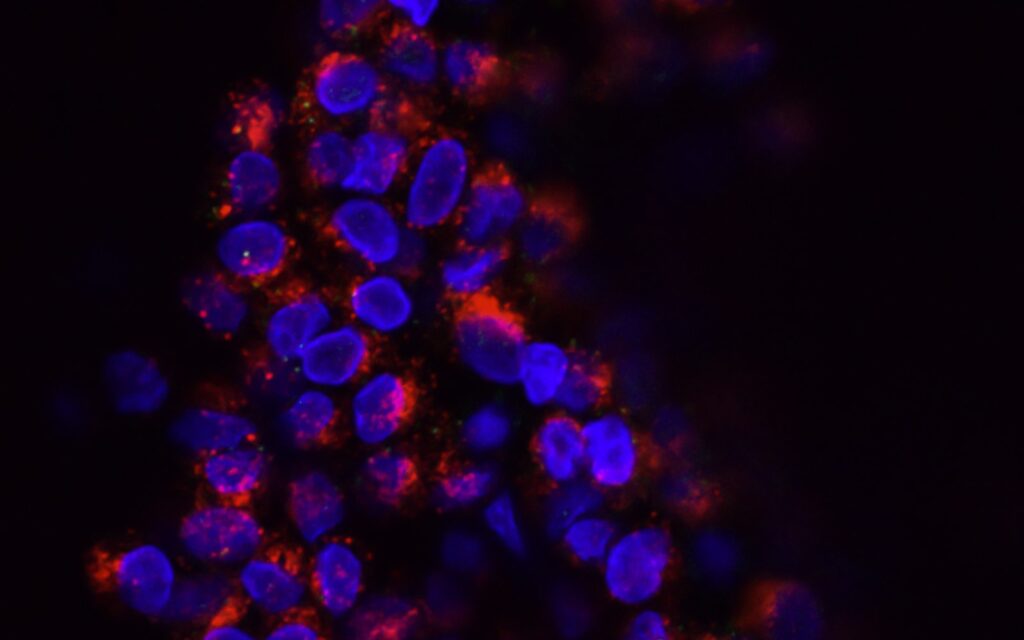 FDA Approved
FDA approves Etcamah (camizestrant) for ESR1-mutated advanced breast cancer
Camizestrant plus a CDK4/6 inhibitor extended median progression-free survival from 9.2 to 16.0 months after an ESR1 resistance mutation emerged before imaging progression.
Read the Full Bite →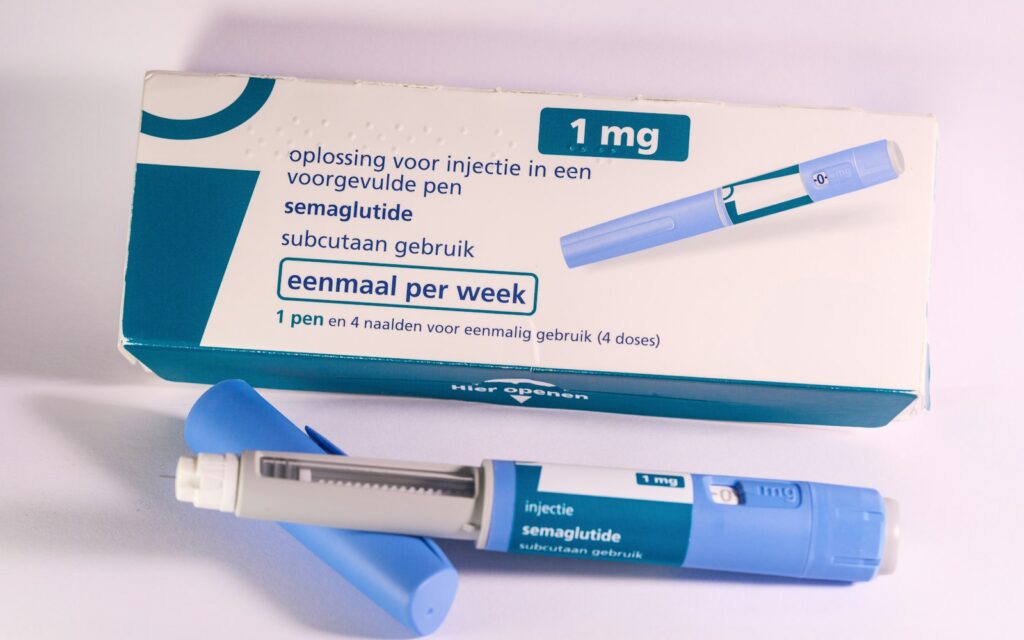 Diabetes & Metabolism
GLP-1 side effects: what is common and what needs attention
Nausea and other gastrointestinal symptoms are common with GLP-1-based medicines, while pancreatitis, gallbladder disease, dehydration, and other serious risks are less frequent.
Read the Full Bite → FDA Approved
FDA approves immunotherapy that may spare some rectal cancer patients surgery, chemo, and radiation
The U.S. Food and Drug Administration granted accelerated approval on October 19, 2026, to dostarlimab-gxly (Jemperli) as a standalone treatment for adults with previously untreated stage II or III locally advanced rectal cancer whose tumors have deficient mismatch repair or high microsatellite instability. The decision relied on interim findings from the single-arm, phase 2 AZUR-1 […]
Read the Full Bite → FDA Approved
FDA approves first adjustable heart valve that can expand as children grow
FDA approved the Autus Size-Adjustable Valve, the first heart valve designed to be expanded after implantation as a child grows, potentially reducing repeat open-heart surgeries.
Read the Full Bite → FDA Approved
FDA approves iberdomide for multiple myeloma: how the first CELMoD works
Iberdomide is the first FDA-approved CELMoD for multiple myeloma. Here is how it redirects cereblon and the proteasome, what the Phase 3 trial found, and what remains unknown.
Read the Full Bite →