Rusfertide (Mimrylo), a once-weekly hepcidin mimetic, received FDA approval on August 28, 2026, for the treatment of erythrocytosis in adults with polycythemia vera after the phase 3 VERIFY trial reported in the Journal of Clinical Oncology showed a clinical response in 76.9% of patients compared with 32.9% receiving placebo. The randomized, double-blind trial enrolled 293 adults who still required frequent phlebotomy despite standard-of-care therapy and established a new way to control red blood cell production by restricting the iron available for erythropoiesis.
Polycythemia vera creates a chronic problem of excessive red blood cell production
Polycythemia vera (PV) is a chronic myeloproliferative neoplasm in which the bone marrow produces too many red blood cells. The resulting increase in hematocrit can make blood more viscous and raise the risk of thrombosis, including stroke and heart attack. A central treatment goal is therefore to keep hematocrit below 45%.
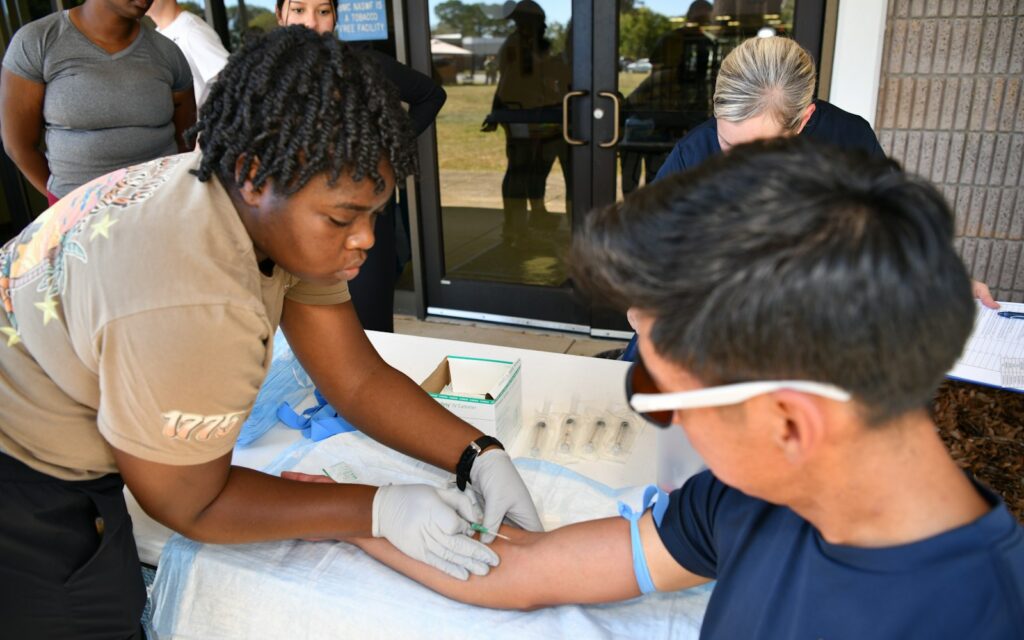
For many patients, that requires repeated phlebotomy, the deliberate removal of blood from a vein. Phlebotomy lowers red blood cell mass quickly, but frequent procedures can become a substantial treatment burden. Some patients continue to need repeated phlebotomies despite hydroxyurea, interferon, ruxolitinib, or other standard therapy.
Rusfertide mimics hepcidin to restrict iron available for erythropoiesis
Hepcidin is the body’s master regulator of iron availability. Rusfertide is a synthetic peptide designed to mimic that hormone. By reducing the iron available to developing red blood cells, it limits erythropoiesis and helps keep hematocrit under control without relying solely on repeated blood removal.
In VERIFY, treatment started at 19 mg given subcutaneously once weekly, with dose titration used to maintain hematocrit below 45%. That mechanism distinguishes Mimrylo from recently approved mutation-directed cancer therapies such as ziftomenib for NPM1-mutated acute myeloid leukemia, daraxonrasib for metastatic pancreatic cancer, and camizestrant for ESR1-mutated breast cancer. Rusfertide does not block a tumor-specific mutation. It changes iron physiology to control one of PV’s defining consequences.
VERIFY tested whether rusfertide could reduce the need for phlebotomy
VERIFY was a global, randomized, double-blind, placebo-controlled phase 3 study. It enrolled 293 adults with PV who required frequent phlebotomy despite ongoing standard-of-care treatment. Patients were randomized 1:1 to rusfertide or placebo for 32 weeks, with 147 assigned to rusfertide and 146 to placebo.
More than half of each group was also receiving stable cytoreductive therapy. The primary endpoint was a clinical response during weeks 20 through 32, defined by completion of the study period without meeting phlebotomy eligibility criteria and without receiving a phlebotomy.
Rusfertide more than doubled the primary response rate
During weeks 20 through 32, 76.9% of patients receiving rusfertide achieved the primary clinical response compared with 32.9% receiving placebo (P<0.0001). Across the full 32-week blinded period, the mean number of phlebotomies was 0.5 with rusfertide and 1.8 with placebo (P<0.0001).
Hematocrit control also differed substantially. A total of 62.6% of rusfertide-treated patients maintained hematocrit below 45% through weeks 0 to 32, compared with 14.4% in the placebo group (P<0.0001). Patient-reported fatigue and overall symptom scores also improved significantly with rusfertide in the prespecified analyses.
These endpoints matter because phlebotomy burden and hematocrit control are immediate treatment problems in PV. They should not, however, be confused with direct evidence that rusfertide prevents stroke, heart attack, venous thrombosis, or death. VERIFY was not designed or powered to establish those outcomes.
Injection-site reactions and anemia were the main adverse events
During the blinded phase, injection-site reactions occurred in 55.9% of patients assigned to rusfertide and 32.9% receiving placebo. Anemia occurred in 15.9% and 4.1%, respectively. Fatigue was reported at similar rates in the two groups, 15.2% with rusfertide and 15.8% with placebo.
Serious adverse events occurred in 3.4% of rusfertide-treated patients and 4.8% of those receiving placebo, and investigators did not consider any of the serious events related to rusfertide. The FDA identified injection-site reactions and anemia as the most common adverse reactions in the approved use.
What the evidence cannot yet answer
The blinded comparison lasted 32 weeks, which is relatively short for a chronic myeloproliferative disease that may require treatment for years. Longer follow-up is needed to define durability of hematocrit control, cumulative safety, and whether reducing phlebotomy translates into fewer thrombotic cardiovascular events or changes in disease progression.
VERIFY also enrolled patients who already needed frequent phlebotomy despite standard therapy, so the results should not automatically be generalized to every person with PV. The approved indication is specifically for erythrocytosis in adults with PV, and treatment decisions still depend on overall disease risk, symptoms, current therapy, and hematologic monitoring.
VERIFY was sponsored by Protagonist Therapeutics, which developed rusfertide; the FDA approval was granted to Takeda Pharmaceuticals America. Industry sponsorship is relevant context because the sponsor designed and funded the development program, even though the pivotal comparison was randomized and double-blind.
Mimrylo changes the treatment strategy from removing blood to controlling its production
The practical distinction is straightforward. Phlebotomy manages erythrocytosis after excess red blood cells have already been produced. Rusfertide attempts to reduce that production upstream by restricting iron availability. VERIFY showed that this strategy substantially reduced phlebotomy eligibility and improved hematocrit control over 32 weeks.
Tanya Wroblewski, M.D., director of the FDA’s Division of Nonmalignant Hematology, described the approval as “a new, first-in-class option that has the potential to meaningfully reduce patient burden.”
References
- Kuykendall AT, Pemmaraju N, Pettit KM, et al. Results from VERIFY, a phase 3, double-blind, placebo-controlled study of rusfertide for treatment of polycythemia vera. Journal of Clinical Oncology. 2025;43(17_suppl):LBA3. DOI: 10.1200/JCO.2025.43.17_suppl.LBA3.
- U.S. Food and Drug Administration. FDA Approves First Drug of Its Kind for Polycythemia Vera, a Rare Blood Disorder. August 28, 2026. FDA press announcement.