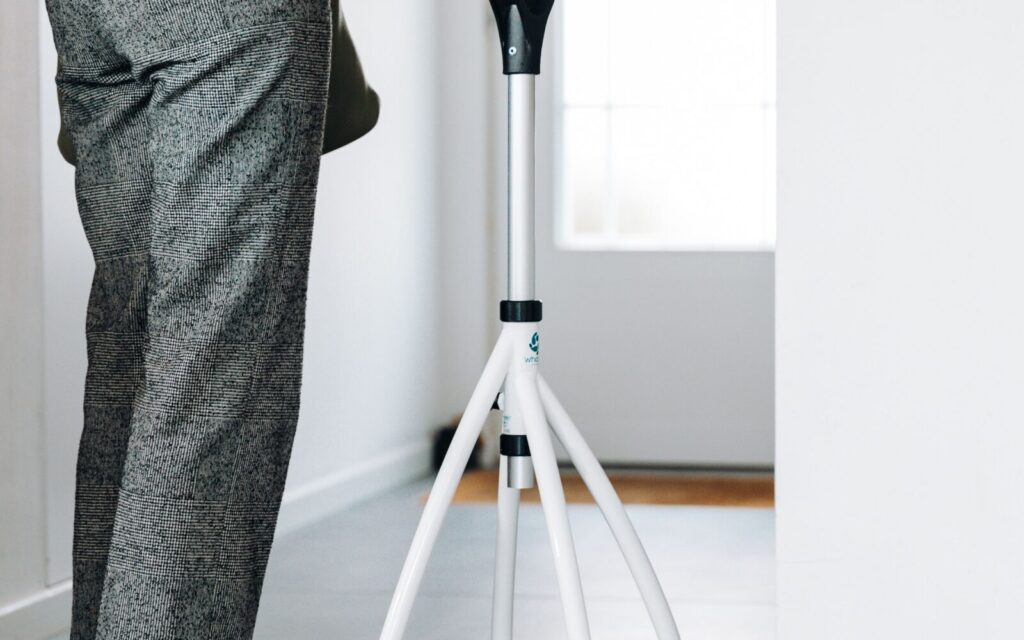
The American Heart Association and American Stroke Association published a major update to adult stroke rehabilitation guidance on August 27, 2026, replacing the 2016 guideline and emphasizing earlier, more coordinated, and more personalized recovery care. The new document says rehabilitation should begin during the acute phase once a patient is medically stable, continue across settings, and address not only movement and speech but also cognition, mood, participation, caregiver needs, and long-term reassessment.
Stroke rehabilitation now starts earlier and extends further
The 2026 guideline was published in Stroke by a multidisciplinary writing group led by occupational therapist Lorie G. Richards, Ph.D., and is the first full AHA/ASA update to adult stroke rehabilitation guidance in a decade. The writing group reviewed literature published since the 2016 guideline, with formal searches conducted between June and October 2025.
The central message is that rehabilitation is not a short phase that begins only after discharge. It should start during acute stroke care, continue through inpatient and outpatient rehabilitation, and be revisited later when new limitations or opportunities for recovery emerge.
In the American Heart Association’s accompanying release, Richards summarized the challenge in four words: “Stroke rehabilitation is complicated.” The reason is that stroke can simultaneously affect strength, balance, sensation, language, swallowing, attention, memory, mood, and the ability to carry out everyday activities.
The first 24 hours remain a special safety window
The guideline draws an important distinction between beginning rehabilitation early and pushing intensity too soon. Rehabilitation assessment and basic therapeutic activity can begin once a person is medically stable, ideally within 48 hours, but high-dose, very early mobilization during the first 24 hours after acute ischemic stroke is not recommended.
That caution is consistent with the separate 2026 AHA/ASA guideline for early management of acute ischemic stroke, which classifies high-dose very early mobilization within 24 hours as potentially harmful. After the first 24 hours, however, the rehabilitation guideline recommends sufficient amounts and intensity of task practice and says moderate- to high-intensity exercise and task practice should be performed when clinically appropriate.
This is not a contradiction. The timing and dose of therapy matter. Early rehabilitation is encouraged, but the first day after stroke is different from the days and weeks that follow.
Rehabilitation is both restorative and compensatory
The new guideline emphasizes two complementary goals. Restorative rehabilitation aims to improve impaired body functions, such as walking, arm movement, speech, or attention. Compensatory rehabilitation teaches ways to perform meaningful activities despite persistent impairment.
That may mean repeated walking practice to improve gait, but it can also mean learning one-handed strategies for cooking, using communication aids after aphasia, or adapting a home environment to reduce fall risk. The guideline stresses that the correct mix depends on the person’s deficits, priorities, environment, and stage of recovery.
This broader view of function is especially relevant to brain recovery. Stroke is not only a vascular event; it is also an injury to neural networks that can affect multiple domains at once. Our brain aneurysm explainer reviews another cerebrovascular condition in which the location and consequences of vascular injury strongly shape neurologic outcomes.
Mental health is now treated as part of rehabilitation, not an afterthought
One of the clearest updates is the emphasis on depression and anxiety. The guideline recommends screening early after stroke, repeating screening at later timepoints, and providing treatment when needed.
That matters because mood symptoms can interfere with participation in therapy, reduce quality of life, and affect family members as well as the survivor. The AHA/ASA patient materials explicitly frame mental health as part of successful recovery rather than a separate issue that can be addressed later.
The guideline also highlights post-stroke fatigue and sleep problems, which can affect attention, memory, mood, and willingness to participate in rehabilitation.
Caregivers are part of the treatment plan
Family members and other care partners often help with mobility, medication routines, communication, transportation, household tasks, and safety after discharge. The 2026 guideline says caregivers should receive education and training both to support the person recovering from stroke and to protect their own well-being.
That is a meaningful shift in emphasis because rehabilitation plans can fail when a technically sound therapy program does not account for what is realistically sustainable at home.
Telehealth can extend rehabilitation beyond the clinic
The guideline says telehealth should be considered, particularly when travel to a rehabilitation clinic is difficult. Telerehabilitation can support transitions between care settings, expand access, and allow clinicians to continue therapy or reassessment remotely.
The recommendation does not imply that telehealth replaces hands-on therapy for every patient. Rather, it creates another delivery option, especially for people with transportation barriers, mobility limitations, or limited access to specialized rehabilitation services.
Recovery should be reassessed over time instead of ending at discharge
Another major theme is repeated reassessment. The guideline recommends standardized outcome measures that capture body function, activity, and participation, with periodic evaluation after formal rehabilitation ends.
The rationale is straightforward: recovery and disability are not static. A survivor who plateaus in one setting may later become ready for a different therapy target, while another person may develop new problems such as falls, pain, spasticity, depression, or declining endurance.
The guideline therefore treats discharge from a rehabilitation program as a transition point rather than the end of recovery.
Exercise is part of both recovery and secondary prevention
Physical activity after stroke serves two purposes. It can improve mobility and functional capacity, and it can also help reduce cardiovascular risk factors associated with recurrent stroke.
That broader cardiovascular context matters because stroke prevention and recovery overlap. Our statin discontinuation trial explainer examines one part of cardiovascular risk management in older adults, while our xylitol and cardiovascular risk article covers emerging research on thrombosis-related mechanisms.
The guideline also highlights what stroke rehabilitation still does not know
The writing group repeatedly notes that major evidence gaps remain. Researchers still do not know the optimal dose, timing, and combination of many rehabilitation interventions. The guideline calls for larger, well-designed trials and more mechanistic research to support personalized rehabilitation.
That uncertainty is important. A recommendation to provide sufficient task practice does not mean there is one universally correct number of therapy minutes for every patient. Stroke type, severity, medical stability, cognition, fatigue, baseline function, and treatment goals all influence what is feasible and appropriate.
The guideline also points to limited stroke-specific evidence for some secondary complications of immobility, including skin breakdown and venous thromboembolism across different stages of rehabilitation.
What changed most is the definition of successful recovery
The 2026 update moves beyond a narrow focus on whether a patient can walk farther or move an arm better. It asks whether the person can communicate, think, manage daily activities, return to valued roles, participate in family and community life, and maintain gains over time.
That broader framework is why the guideline repeatedly emphasizes multidisciplinary teams, individualized goals, caregiver support, mental health, and long-term reassessment. Recovery after stroke can continue for months or years, and the new guidance is built around the idea that rehabilitation should adapt as the person changes.
References
- Richards LG, Ifejika NL, Stein J, et al. 2026 Guideline for Adult Stroke Rehabilitation and Recovery: A Guideline From the American Heart Association and American Stroke Association. Stroke. Published online August 27, 2026. DOI: 10.1161/STR.0000000000000536.
- Prabhakaran S, Gonzalez NR, Zachrison KS, et al. 2026 Guideline for the Early Management of Patients With Acute Ischemic Stroke: A Guideline From the American Heart Association/American Stroke Association. Stroke. 2026;57:e316-e436. DOI: 10.1161/STR.0000000000000513.