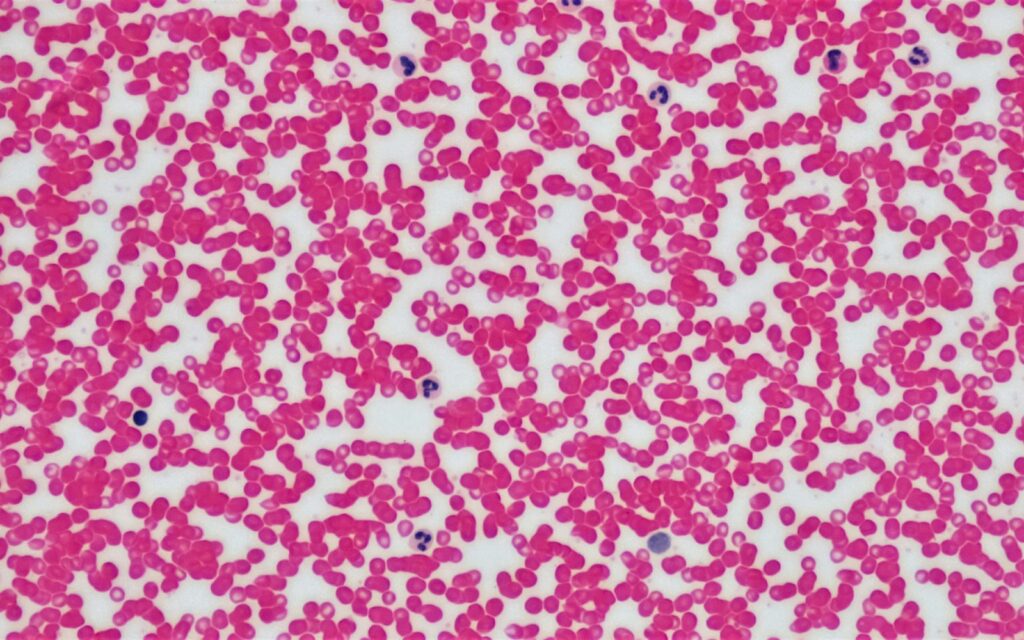
Galinpepimut-S (GPS), an investigational therapeutic cancer vaccine targeting the Wilms tumor 1 (WT1) protein, prolonged overall survival in adults with acute myeloid leukemia (AML), according to preliminary results from the randomized phase 3 REGAL trial announced by SELLAS Life Sciences on November 17, 2026. The study randomized 126 patients who had achieved a second or subsequent remission and could not proceed to donor stem cell transplantation, testing the vaccine as maintenance therapy rather than as initial leukemia treatment.
Second remission is a vulnerable stage in acute myeloid leukemia
AML is a malignancy of blood-forming cells in which immature myeloid cells proliferate and interfere with normal bone marrow function. Suppression of healthy blood cell production contributes to anemia, infection and bleeding. Treatment aims to achieve remission, but remission does not necessarily mean that every malignant cell has been eliminated.
When leukemia returns after initial treatment, salvage therapy may induce another remission. A transplant using stem cells from a donor can offer durable disease control for some patients. Age, coexisting illnesses and donor availability can prevent others from receiving a transplant. Maintenance therapy addresses this interval after remission, when surviving malignant cells may eventually repopulate the marrow.
REGAL examined this particular clinical setting. It was not a trial of vaccination in healthy individuals or of replacing induction chemotherapy. Like other therapeutic immunotherapies, GPS is intended to treat an existing malignancy.
REGAL tested maintenance vaccination against investigator-selected care
The international, open-label study assigned participants in equal proportions to GPS or an investigator-selected control strategy. Eligible patients had achieved a second or later complete remission, including remission with insufficient platelet recovery, following salvage treatment. They were ineligible for or unable to undergo allogeneic stem cell transplantation.
Control options included observation and treatment with hypomethylating agents, venetoclax or low-dose cytarabine, individually or in permitted combinations. The comparator therefore represented a range of available management strategies rather than one uniform drug regimen.
The primary endpoint was overall survival measured from study entry. This is a clinically important endpoint because it records death from any cause rather than relying on an indirect indicator of treatment activity. The final primary analysis was triggered by the prespecified threshold of 80 deaths.
Median overall survival differed by 9.3 months
The sponsor reported median overall survival of 24.0 months with GPS and 14.7 months in the control group. The hazard ratio for death was 0.59 (two-sided P=0.035). This corresponds to a 41% lower estimated hazard of death during follow-up, not a 41 percentage-point increase in survival probability.
The difference between the two medians was 9.3 months. Median survival identifies when the estimated survival curve reaches 50%; it does not establish how much longer an individual patient will live. Nor does the result demonstrate that the vaccine cured leukemia or prevented every recurrence.
The company described the vaccine as generally well tolerated. Reported treatment-related adverse events were predominantly grade 1 or 2, with injection-site reactions the most common. Detailed adverse-event frequencies and comparative safety tables were not provided in the initial announcement.
WT1 provides a shared antigen for T-cell recognition
WT1 is a transcription factor expressed at elevated levels in many AML cells. Although the intact protein is intracellular, fragments generated during protein degradation can be displayed on the cell surface by human leukocyte antigen (HLA) molecules. T cells can recognize these peptide-HLA complexes.
GPS contains four WT1-derived peptides, including modified sequences designed to enhance immune recognition. The formulation aims to stimulate both CD4-positive helper T cells and CD8-positive cytotoxic T cells. Antigen-presenting cells process or display vaccine-derived peptides, providing a stimulus for WT1-directed immune responses. The intended effect is recognition of residual malignant cells carrying the relevant antigen.
Unlike personalized messenger RNA cancer vaccines, which can be designed around mutations identified in an individual tumor, GPS is a premanufactured peptide formulation targeting a shared tumor-associated protein. It is also distinct from investigations of infectious-disease vaccines in patients receiving cancer immunotherapy.
What the evidence cannot yet answer
The November announcement is a sponsor-reported topline analysis, not a peer-reviewed publication of the phase 3 outcomes. The previously published REGAL design paper documents the study rationale and methods, but predates these results. The announcement does not supply a confidence interval for the hazard ratio, complete survival curves or outcomes by individual control regimen.
Analyses of leukemia-free survival, measurable residual disease and antigen-specific T-cell responses are pending. These data will help assess whether immune responses correlate with clinical outcomes and whether survival differences coincide with fewer or later relapses. The open-label design and heterogeneous comparator also warrant consideration when interpreting secondary outcomes and subsequent care.
SELLAS sponsors the trial and has a commercial interest in GPS. Memorial Sloan Kettering Cancer Center, where the vaccine originated, and two researchers have disclosed financial interests related to the company.
The results apply to a selected population in later remission, not to all newly diagnosed patients or patients with active refractory disease. SELLAS intends to discuss a regulatory filing strategy with the US Food and Drug Administration (FDA) and prepare a biologics license application for the first half of 2027. As of November 18, 2026, GPS is not FDA-approved.
References
- SELLAS Life Sciences Group. Positive pivotal phase 3 REGAL trial results for galinpepimut-S. November 17, 2026. SEC-filed announcement.
- Jamy O, Cicic D. REGAL: galinpepimut-S vs. best available therapy as maintenance therapy for acute myeloid leukemia in second remission. Future Oncology, 2025;21(1):73–81. DOI: 10.1080/14796694.2024.2433935.