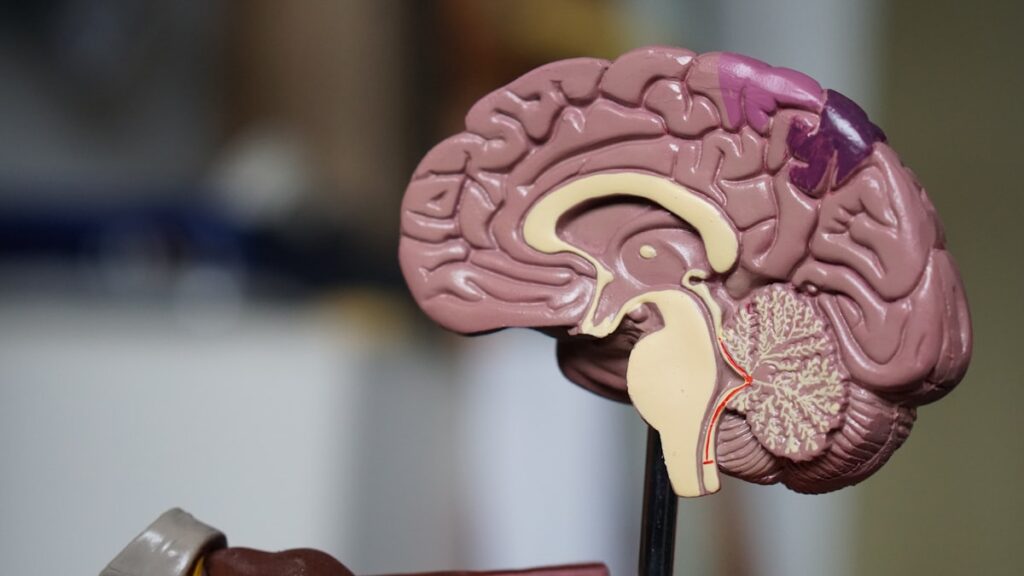
Glioblastoma remains one of oncology’s hardest problems, with median overall survival of about 14 to 16 months unchanged since a 573-patient trial by Stupp and colleagues in the New England Journal of Medicine in 2005 established radiotherapy plus temozolomide as the standard of care. Two decades on, the first clinical signals from bivalent chimeric antigen receptor (CAR) T cell trials targeting proteins on glioblastoma cells, reported in NEJM and Nature Medicine in 2024, have shown rapid tumor shrinkage in early patients, though follow-up remains short and the treatments are still confined to phase 1 trials.
Glioblastoma is uniquely hard to treat
Glioblastoma multiforme is the most common malignant primary brain tumor in adults. It grows rapidly, infiltrates surrounding brain tissue in ways that make complete surgical removal essentially impossible, and typically returns even after aggressive first-line therapy. About 12,000 to 15,000 new cases are diagnosed each year in the United States. The reasons the tumor is so hard to treat are structural as well as biological. The brain sits behind the blood-brain barrier, which limits which drugs can reach it in useful concentrations. The tumor microenvironment actively suppresses immune activity. And the tumor itself is genetically heterogeneous within a single patient, so treatments that kill one clone often leave others behind.
The Stupp regimen set the baseline in 2005
In the Stupp trial, 573 patients with newly diagnosed glioblastoma from 85 centers were randomized to radiotherapy alone or radiotherapy plus concurrent and adjuvant temozolomide, an alkylating chemotherapy that can cross the blood-brain barrier. Median survival in the combined-treatment arm was 14.6 months against 12.1 months for radiotherapy alone. Two-year survival was 26.5% versus 10.4%. The absolute gain was modest but the trial delivered the first clear survival benefit in decades, and the combination became the standard of care that same year. Twenty years on, that median survival has not been meaningfully improved by any subsequent large randomized trial.
Immunotherapy has been slow to translate into brain cancer
Checkpoint inhibitors and CAR-T cell therapy have reshaped outcomes in several cancers, including melanoma, some lung cancers, and B-cell leukemias and lymphomas. Glioblastoma has been more resistant. Two large phase 3 trials of the checkpoint inhibitor nivolumab in recurrent and newly diagnosed glioblastoma (CheckMate-143, CheckMate-498, CheckMate-548) failed to show a survival benefit. The reasons include the immunosuppressive tumor microenvironment, low tumor mutational burden compared with melanoma or lung cancer, and the challenge of getting immune cells into the brain in effective numbers.
The first CAR-T signals arrived in 2024
Two 2024 papers moved the field. Choi and colleagues, reporting in the New England Journal of Medicine, treated three patients with recurrent glioblastoma using CARv3-TEAM-E, an intraventricularly delivered CAR-T cell engineered to target both epidermal growth factor receptor variant III (EGFRvIII) and to release a bispecific antibody that recruits nearby native T cells against the broader EGFR-expressing tumor. Tumor shrinkage was rapid and, in one patient, dramatic within days of infusion. The trial’s lead investigator, Bryan Choi, described the pattern as one in which “certain patients seem to respond more robustly than others,” a hedge that reflects the small numbers.
Separately, Bagley and colleagues at the University of Pennsylvania, reporting in Nature Medicine, treated six patients with recurrent glioblastoma with a bivalent CAR-T cell targeting both EGFR and interleukin-13 receptor alpha 2 (IL-13Rα2). Delivery was intrathecal, into the cerebrospinal fluid. Every patient developed neurotoxicity in the days after infusion, though only one had dose-limiting toxicity. Tumor reductions were seen but responses were not durable.
Personalized neoantigen vaccines are also being tested
The same personalized cancer vaccine approach that produced a 44% recurrence reduction in melanoma is being extended to glioblastoma. These vaccines use messenger RNA to instruct the patient’s cells to display the specific mutated proteins found in that patient’s tumor, priming an immune response against them. Early phase glioblastoma trials have shown that the vaccines generate detectable T cell responses; whether that translates to a survival benefit is not yet known.
What the evidence cannot yet answer
Every immunotherapy signal in glioblastoma to date has come from small, single-arm, phase 1 trials in recurrent disease. Even the striking radiographic responses reported in 2024 have not yet been shown to translate into durable remissions or overall survival benefit, and the field has seen many promising phase 1 results fail in larger randomized trials. Neurotoxicity from CAR-T infusion into or near the central nervous system is manageable but universal in the reported series, and its long-term consequences are unknown. And the fundamental problem remains: glioblastoma is heterogeneous within each tumor and between patients, so a therapy that works for the EGFR-positive fraction may leave the rest of the tumor untouched. Progress in this disease will likely be incremental, and honesty about that pace matters as much as the science itself.
References
- Stupp R, Mason WP, van den Bent MJ, et al. Radiotherapy plus Concomitant and Adjuvant Temozolomide for Glioblastoma. New England Journal of Medicine, 2005; 352: 987-996. DOI: 10.1056/NEJMoa043330
- Choi BD, Gerstner ER, Frigault MJ, et al. Intraventricular CARv3-TEAM-E T cells in Recurrent Glioblastoma. New England Journal of Medicine, 2024; 390: 1290-1298. DOI: 10.1056/NEJMoa2314390
- Bagley SJ, Logun M, Fraietta JA, et al. Intrathecal bivalent CAR T cells targeting EGFR and IL13Ra2 in recurrent glioblastoma: phase 1 trial interim results. Nature Medicine, 2024; 30: 1320-1329. DOI: 10.1038/s41591-024-02893-z
- Hegi ME, Diserens AC, Gorlia T, et al. MGMT Gene Silencing and Benefit from Temozolomide in Glioblastoma. New England Journal of Medicine, 2005; 352: 997-1003. DOI: 10.1056/NEJMoa043331