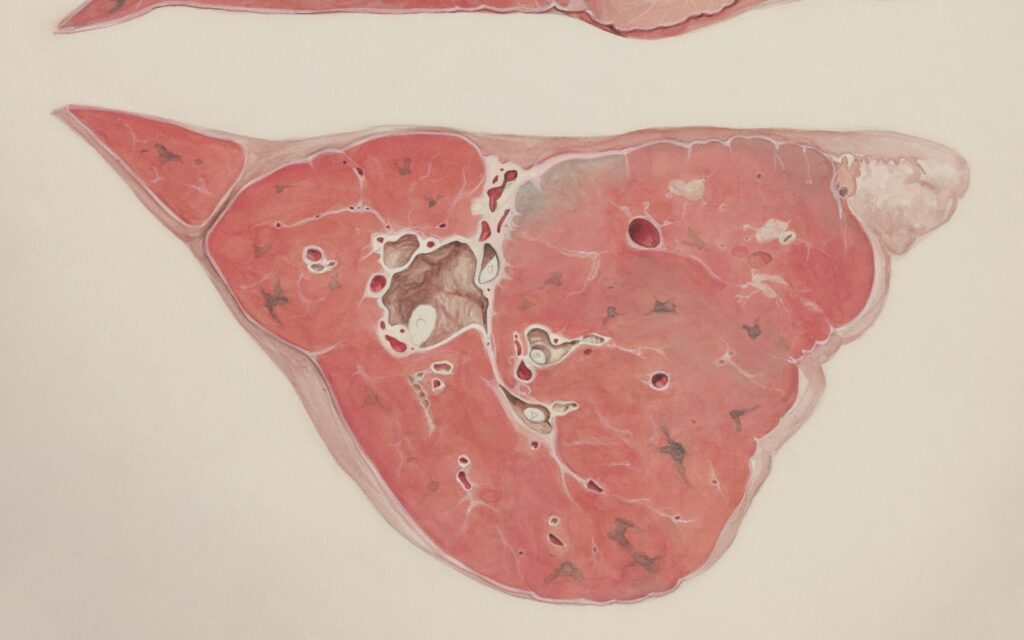
Fatty liver disease, long dismissed as a harmless side effect of modern diets, is now the most common chronic liver disease in the world. Renamed metabolic dysfunction-associated steatotic liver disease (MASLD) in 2023, it affects roughly a third of adults, has overtaken viral hepatitis as the leading driver of liver disease, and, for the first time, has drugs approved to treat it.
The disease got a new name and clearer criteria
In 2023, a panel of international liver societies replaced the old label, nonalcoholic fatty liver disease (NAFLD), with metabolic dysfunction-associated steatotic liver disease, or MASLD. The change was more than cosmetic. The new definition ties the diagnosis directly to cardiometabolic risk factors such as obesity, type 2 diabetes, and high blood pressure, rather than defining the condition by what it is not. The aggressive form, once called NASH, is now metabolic dysfunction-associated steatohepatitis, or MASH.
Fat, then inflammation, then scarring
MASLD begins when fat builds up in liver cells, not from alcohol but from excess calories and insulin resistance. In many people it stays quiet and never advances. In others, the fat is joined by inflammation and cell injury, which is what defines MASH. Persistent MASH drives fibrosis, the scarring that can progress to cirrhosis and, eventually, liver failure or hepatocellular carcinoma, the most common form of liver cancer. Fibrosis, more than fat alone, is what predicts how a patient will fare.
It is common, and often silent
MASLD now affects an estimated 30% to 38% of adults worldwide, and some projections put the figure above 55% by 2040 as obesity and aging spread. Most people have no symptoms and no idea they are affected, which is why the disease is often found by accident on imaging or routine blood tests. Obesity, type 2 diabetes, and metabolic syndrome are the strongest risk factors. Body-mass index is one simple starting point: our BMI calculator shows where you fall against the ranges clinicians use.
The danger is often the heart, not just the liver
The most common cause of death in people with MASLD is not liver failure. It is cardiovascular disease. The same metabolic dysfunction that fills the liver with fat also damages blood vessels, which is why MASLD is now understood as a whole-body condition rather than a purely hepatic one. It is also linked to a higher risk of type 2 diabetes, chronic kidney disease, and several cancers.
The first drugs have finally arrived
For years, the only treatment was weight loss through diet and exercise, which works but is hard to sustain. That changed with resmetirom, the first drug approved specifically for MASH, covered in our report on the resmetirom approval. A second approach is close behind. The glucagon-like peptide-1 (GLP-1) drug semaglutide resolved MASH in most treated patients in a large phase 3 trial and is under FDA review for the condition. Both approaches are described in our guide to GLP-1 drugs. Weight loss of around 10% remains the foundation of care, and the new drugs are helping more patients reach it.
What the evidence cannot yet answer
n
Resmetirom is approved based on 12-month liver histology in MAESTRO-NASH, and its effect on the outcomes patients care about most (cirrhosis, transplant, death) is being followed but not yet reported. Whether GLP-1 receptor agonists, now shown to clear liver disease in most treated patients, will be routinely used for MASH is a payer and access question as much as a clinical one. And primary care screening for MASLD, using the FIB-4 score, is now guideline-recommended but implementation in practice varies widely. Because cardiovascular disease, not liver disease, is the leading cause of death in most MASLD patients, whether treating the liver specifically translates into overall mortality benefit remains to be shown.
n
References
- Rinella ME, Lazarus JV, Ratziu V, et al. A multisociety Delphi consensus statement on new fatty liver disease nomenclature. Journal of Hepatology, 2023; 79: 1542-1556. DOI: 10.1016/j.jhep.2023.06.003
- Younossi ZM, Kalligeros M, Henry L. Epidemiology of metabolic dysfunction-associated steatotic liver disease. Clinical and Molecular Hepatology, 2025; 31(Suppl): S32-S50. DOI: 10.3350/cmh.2024.0431
- Harrison SA, Bedossa P, Guy CD, et al. A Phase 3, Randomized, Controlled Trial of Resmetirom in NASH with Liver Fibrosis (MAESTRO-NASH). New England Journal of Medicine, 2024; 390: 497-509. DOI: 10.1056/NEJMoa2309000
- Sanyal AJ, Newsome PN, Kliers I, et al. Phase 3 Trial of Semaglutide in Metabolic Dysfunction-Associated Steatohepatitis (ESSENCE). New England Journal of Medicine, 2025; 392: 2089-2099. DOI: 10.1056/NEJMoa2413258