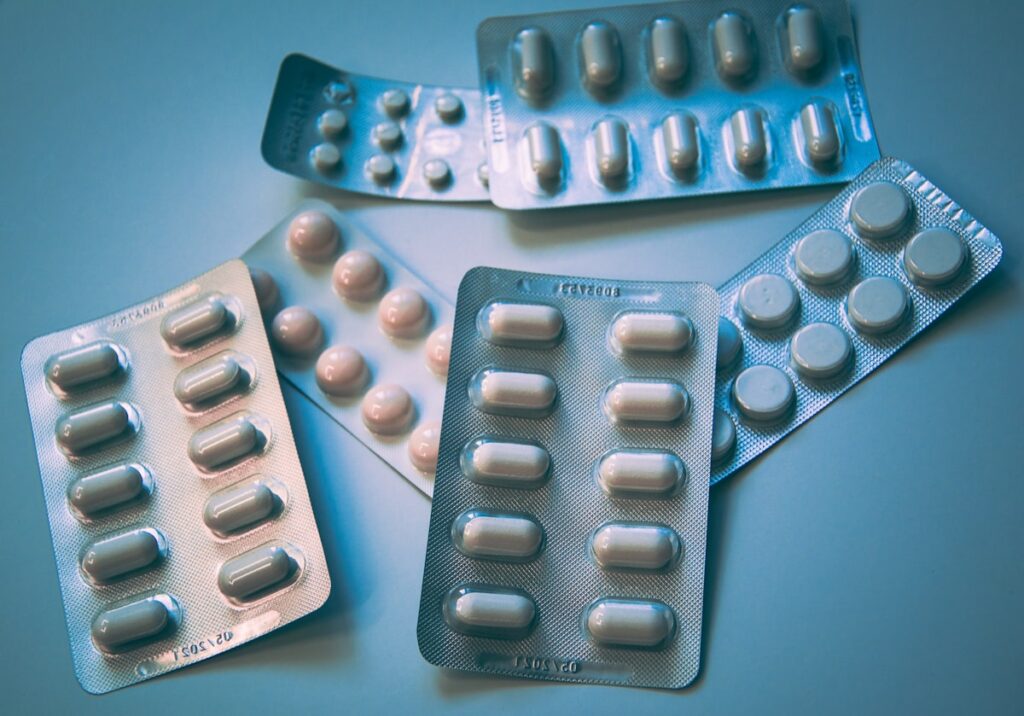
On September 19, 2025, Ascend Laboratories voluntarily recalled 141,984 bottles of generic atorvastatin calcium tablets, manufactured by Alkem Laboratories in India. Routine quality-control testing had revealed that the tablets failed dissolution specifications. In plain terms, some tablets did not break down and release their active ingredient at the required rate. The FDA upgraded the recall to Class II on October 10, 2025. It covers 10 mg, 20 mg, 40 mg, and 80 mg strengths in 90-count, 500-count, and 1,000-count bottles, with expiration dates from July 2026 to February 2027.
Why atorvastatin matters
Atorvastatin is the highest-selling prescription drug in the United States. More than 115 million prescriptions are filled annually for more than 29 million Americans. It is a statin, a class of drugs that blocks an enzyme (HMG-CoA reductase) the liver uses to produce cholesterol. Statins are the mainstay of cardiovascular disease prevention for adults with elevated cholesterol or established atherosclerosis. Large randomized trials have shown that statins cut the risk of major cardiovascular events (heart attack, stroke, cardiovascular death) by roughly 25%. Absolute benefit varies by baseline risk, but the effect on population-level cardiovascular mortality has been large.
What “failed dissolution” actually means
Dissolution testing is a standard laboratory measurement. It captures how quickly and completely a tablet breaks down and releases its active ingredient into a solution that mimics the stomach and small intestine. Every commercial tablet has a target dissolution profile. This profile is defined during drug development and specified in the FDA-approved product monograph. A recalled batch that “failed dissolution specifications” means laboratory samples did not meet those specifications. The tablets may have released the active ingredient too slowly, too incompletely, or too variably from tablet to tablet. Dissolution failure does not mean the tablets are contaminated or dangerous. It means they may not deliver the full labeled dose to the body. For a cholesterol-lowering drug, that matters over time rather than acutely.
The recall was classified as Class II by the FDA. That classification means the product may cause temporary or medically reversible adverse health effects, or that the probability of serious harm is remote. There is no acute safety hazard from the recalled tablets themselves. The clinical concern is long-term underdosing. A tablet labeled 10 mg but effectively delivering less could translate, over months to years, into higher LDL cholesterol and higher cardiovascular risk than a properly manufactured tablet would.
What patients should do
The FDA and prescribing pharmacists have converged on a consistent recommendation. Patients should not stop taking their atorvastatin because of the recall. The risk of stopping a statin abruptly is greater than the risk of taking a potentially underdosing tablet for the days or weeks it takes to arrange a replacement. This is especially true for anyone at high cardiovascular risk. The practical steps are to identify whether your bottle is affected, arrange a replacement, and continue the medicine in the interim.
Identification requires the lot number and expiration date printed on the bottom of the bottle. Cross-check these against the FDA’s recall list, available on the agency’s enforcement report page. Or ask a pharmacist to check for you. If your bottle is affected, your pharmacist can typically dispense a replacement from a different manufacturer using your existing prescription. Some pharmacy apps also flag active recalls on your prescription history automatically. The FDA’s MedWatch system accepts consumer reports of suspected quality problems, which is how many of these issues come to light.
Why recalls of this type keep happening
This atorvastatin recall follows a series of high-profile quality-control problems in the generic drug supply chain since 2019. Most have involved manufacturing facilities outside the United States. Multiple analyses have documented that the FDA’s overseas plant inspection rate has not kept pace with the volume of imported drug ingredients. This is especially true for facilities in India and China. Together, those countries supply an increasing share of the generic active pharmaceutical ingredients (APIs) used in the US market. The current recall involves an API supplier in India (Alkem Laboratories) and a distributor in New Jersey (Ascend Laboratories). That is a typical structure for a modern generic pharmaceutical supply chain.
Quality-control testing standards apply to all manufacturers regardless of location. Detection of a dissolution problem, however, depends on the sample tested. Manufacturers test random samples from every batch. If a batch passes internal testing but a downstream lot fails later, a recall follows. Later detection can happen during periodic post-market surveillance, or through consumer or pharmacist reports. That the current recall came to light through the manufacturer’s own routine testing, not through patient harm, is a sign that the safety system worked as designed. The concern is that the interval between manufacturing and detection can extend for weeks or months, during which affected tablets are distributed and dispensed.
What the recall cannot tell us
Dissolution failure at the tablet level does not directly translate to a measurable clinical effect at the patient level. Whether patients who took the recalled batches during the weeks or months before the recall had detectably elevated LDL cholesterol, or increased cardiovascular events, will not be knowable without follow-up analyses of pharmacy claims data. The recalled bottles represent a small fraction of the total US atorvastatin supply, since Alkem/Ascend is one of several generic suppliers, and 141,984 bottles distributed over the recall’s coverage period is a modest share of the tens of millions of atorvastatin prescriptions filled each year. Long-term studies have consistently shown that the benefits of statin therapy substantially outweigh the risks, and no patient should stop their medicine because of this recall.
The wider picture
The atorvastatin recall is part of a pattern of quality-control incidents in the generic drug supply chain over the past decade, ranging from the widely publicized 2018-2019 valsartan recalls over nitrosamine contamination to a series of dissolution-failure recalls affecting statins, thyroid medications, and antihypertensives. These recalls are also a sign that the safety system is functioning: the FDA’s post-market testing exists specifically to catch batches that slip through a manufacturer’s own quality checks. What has drawn independent scrutiny is whether the pace of overseas manufacturing plant inspections is adequate to prevent problems, rather than simply detect them after distribution. That is a policy question with real consequences for medication cost and supply, and it does not have an easy answer.
For patients, the practical steps for any medication recall are the same. Check the lot number and expiration date on the bottle. Contact your pharmacy for a replacement from a different manufacturer. Continue taking your prescribed medicine in the interim. Two habits help catch problems early: refilling prescriptions on time so you always have a fresh supply if a swap is needed, and using a single pharmacy where possible so your medicines are visible in one place and a pharmacist can flag a recall on your behalf. These small measures make patients much harder to miss when a recall notice goes out.
References
- US Food and Drug Administration. Enforcement Report: Ascend Laboratories, LLC voluntary recall of Atorvastatin Calcium Tablets. Recall initiated September 19, 2025; Class II classification October 10, 2025. fda.gov/safety/recalls-market-withdrawals-safety-alerts.