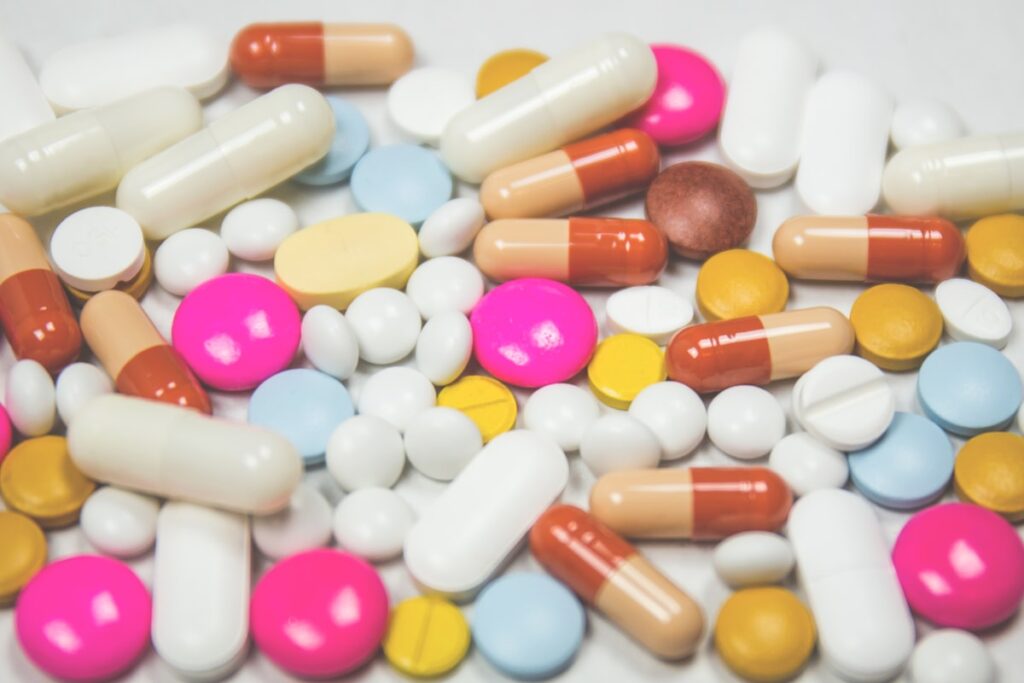
Beginning in July 2018, US and European regulators initiated a series of recalls of angiotensin II receptor blocker (ARB) blood-pressure medications. The first was valsartan, manufactured using an active pharmaceutical ingredient (API) from Zhejiang Huahai Pharmaceuticals in China. The API had been found to be contaminated with N-nitrosodimethylamine (NDMA), a probable human carcinogen. The FDA soon issued its own analytical methods, testing standards, and interim acceptable daily-intake limits. Over the following months and years, the recalls expanded to include losartan, irbesartan, and additional manufacturing sites in India. The regulatory response has fundamentally reshaped how the pharmaceutical industry manages and tests for nitrosamine impurities.
How the story began
In July 2018, European and US regulators announced voluntary recalls of certain lots of generic valsartan. Valsartan is an ARB used to treat high blood pressure and heart failure. The recalls followed detection of NDMA in the valsartan API made by Zhejiang Huahai Pharmaceuticals in Linhai, China. Zhejiang Huahai was a supplier of the API to multiple generic drug companies. NDMA had not previously been recognized as a common contaminant of pharmaceutical products. Its detection prompted investigation across the supply chain. By September 2018, the FDA placed Zhejiang Huahai on its import alert list. A second nitrosamine, N-nitrosodiethylamine (NDEA), was identified soon after in additional batches from Zhejiang Huahai and from other manufacturers in China and India.
The contamination was traced to changes Zhejiang Huahai had made to its manufacturing process in 2012. Those changes introduced conditions favorable to nitrosamine formation during synthesis of the valsartan API. Estimates place the earliest presence of contaminated valsartan on the US market at around 2014. That means some patients may have taken affected medication for up to four years before the contamination was discovered. Between July 2018 and 2021, the recall expanded to cover losartan, irbesartan, and additional valsartan batches from Aurobindo, Hetero, Torrent, Solco, Macleods, and Teva, among others.
What NDMA is and where it comes from
N-nitrosodimethylamine is an organic chemical. Based on animal studies, the US Environmental Protection Agency classifies it as a probable human carcinogen, and the US National Toxicology Program lists it as reasonably anticipated to be a human carcinogen. It is present at trace levels in some foods (particularly cured and grilled meats), in some drinking water supplies, in tobacco smoke, and in the environment. Exposure from these background sources is generally low. Consuming up to 0.096 micrograms of NDMA per day is considered reasonably safe for lifetime human ingestion, per FDA guidance. The concern with the contaminated ARB medications was that daily doses delivered NDMA above this threshold for some patients over multiple years.
How much cancer risk did the contamination pose
The FDA and the European Medicines Agency (EMA) each published quantitative risk estimates based on the highest NDMA levels detected in the contaminated batches and the maximum daily dose of valsartan (320 mg):
- FDA estimate: If 8,000 people took the highest dose of NDMA-contaminated valsartan (320 mg) daily for 4 years, there might be 1 additional case of cancer over the lifetimes of those 8,000 people.
- EMA estimate: The lifetime risk of cancer for an adult patient taking the affected medicine at the highest dose (320 mg) every day from July 2012 to July 2018 was estimated at approximately 1 in 5,000.
Both estimates are theoretical, based on animal data extrapolated to humans, and both would be lower for patients on lower doses or shorter treatment durations. For comparison, the FDA and EMA both note that the lifetime cancer risk in Western populations from all causes is approximately 1 in 3, so the contamination-attributable risk represents a small addition to a much larger background risk.
What large observational studies have found
Two large post-marketing cohort studies have looked at whether the theoretical risk translated into detectable increases in real-world cancer. The first was a 2018 nationwide Danish cohort study of 5,150 patients, published in The BMJ. It found no significant association between exposure to NDMA-contaminated valsartan and overall cancer risk. The adjusted hazard ratio was 1.09 (95% CI 0.85 to 1.41), with no dose-response relationship over a median 4.6 years of follow-up. The second was a 2021 German study of 780,871 valsartan users, published in Deutsches Arzteblatt International. It found no association with overall cancer risk. However, it detected a small statistically significant increase in liver cancer (adjusted hazard ratio 1.16; 95% CI 1.03 to 1.31). A French cohort study reported similar findings, with a possible increase in liver cancer and melanoma but no overall cancer risk. Taken together, these observational findings are broadly consistent with the FDA and EMA theoretical estimates. Any excess risk is small, is concentrated in specific cancer sites, and is difficult to detect at the individual level.
What patients should do
The FDA, EMA, and prescribing societies have all issued the same guidance. Patients should not stop taking their blood-pressure medicine because of a recall. Untreated hypertension causes far more disease than trace nitrosamine exposure. Abruptly stopping an antihypertensive can produce rebound hypertension and increase the immediate risk of stroke and cardiovascular events. The practical steps for anyone whose medicine may be affected are the same as for any recall. Identify whether a specific bottle is on the recall list. Arrange a replacement from a manufacturer whose supply is unaffected. Continue the medicine in the interim.
Identification requires the lot number and expiration date on the bottle. The FDA maintains a searchable list of recalled ARB products. It also keeps a separate list of ARB products that are not being recalled. Ask a pharmacist to check both lists on your behalf. If your product is affected, most pharmacies can dispense an equivalent product from an unaffected manufacturer using your existing prescription. Refilling prescriptions on time helps as well. So does using a single pharmacy where possible, so that a swap is straightforward when a recall notice goes out.
What the response has changed in the industry
The ARB nitrosamine recalls fundamentally reshaped how the pharmaceutical industry manages this class of impurities. In December 2018, the FDA published interim acceptable daily-intake limits for nitrosamine impurities in ARBs. Testing methods for detection of NDMA and NDEA at sub-parts-per-million levels were developed by the FDA in 2018 and made publicly available. Similar contamination was later found in other medicines. These included some diabetes drugs (metformin) and acid-reducing medicines (ranitidine, which was removed from the US market in 2020). Regulators now require pharmaceutical manufacturers to assess nitrosamine risk in all products. They must also redesign synthesis routes to prevent nitrosamine formation where possible, and test for these impurities routinely. This nitrosamine-management framework, though driven by the ARB recalls, applies across the pharmaceutical industry.
The wider picture
The nitrosamine story exposed a specific gap in the global generic drug supply chain. Overseas manufacturing plants supplying APIs to the US and European markets have not always been inspected at the same frequency as domestic facilities. Independent analyses have argued that the pace of overseas inspection has not kept up with the volume of imported ingredients. Whether the recall system alone is enough to detect similar problems in the future remains a live policy question. So does whether more upstream inspection and testing are needed. In the meantime, the practical experience of the ARB recalls is encouraging on one point. Quick recall action and clear communication between regulators, manufacturers, and pharmacies substantially limit patient exposure once a problem is identified. What has not been resolved is how to shorten the interval between when a problem begins and when it is first detected.
For patients on recalled medicines, the message from every relevant public health authority is the same. Untreated high blood pressure causes far more disease than a trace nitrosamine exposure, and the safest response to any recall is to swap the affected bottle for one from an unaffected manufacturer, not to swap the therapy itself.
References
- Pottegård A, Kristensen KB, Ernst MT, et al. Use of N-nitrosodimethylamine (NDMA) contaminated valsartan products and risk of cancer: Danish nationwide cohort study. The BMJ, 2018; 362: k3851. DOI: 10.1136/bmj.k3851
- Gomm W, Roethlein C, Schuessel K, et al. N-nitrosodimethylamine-contaminated valsartan and the risk of cancer: a longitudinal cohort study based on German health insurance data. Deutsches Arzteblatt International, 2021; 118: 357-362. DOI: 10.3238/arztebl.m2021.0129